


HEADLINES | TASAM Turkish Asian Center for Strategic Studies

On Jan. 1, 2024, Ethiopia signed a memorandum of understanding with Somaliland to gain access to the Red Sea, sparking reactions from both Somalia and the intinterernational community. Somaliland declared its independence unilaterally on May 18, 1991, following the collapse of the Siad Barre regime in Somalia in 1991.

The article titled "Avoiding the Escalatory Trap: Managing Escalation during the Israel-Hamas War", explain Israel’s precarious situation in its conflict with Hamas, Hezbollah, and Iran. The two options Israel has according to Pfaff, is choosing between escalation and maintaining the status quo. Escalation risks draw Israel into a broader regional conflict, while maintaining the status quo left a void for violent groups to continue their actions. Both options have their downsides for Israel.

This paper explores the evolving dynamics of Iran's foreign policy in the Middle East, with a particular focus on its involvement in regional conflicts, such as the Israel-Hamas conflict. Analyzing the works of Mousavian and Chitsazian (2020), as well as Rahat and Abbas (2024), it delves into Iran's strategic alliances and support for non-state actors, including Hezbollah, the Houthis, and Hamas, as part of its broader geopolitical objectives.

Turkey is expanding its strategic presence in the Indian Ocean Region through agreements with Somalia, involvement in regional disputes, and defense industry expansion. This growing influence, coupled with China’s presence, poses complex challenges for India, potentially limiting its regional policy space and requiring a recalibration of its Indian Ocean strategy.

The historical and political issues between Turkey and Armenia have been a major source of tension since the early 20th century. The events of 1915 remain one of the biggest obstacles to relations between the two countries, and in addition, Turkey's closure of its borders with Armenia and the lack of diplomatic relations have created a lasting status quo.

No matter how much the dynamism of the Syrian Civil War that started in 2011 has diminished, its economic, political and social effects for Turkey are still not removed, and in particular, it brings with it various risks that are increasing day by day. In addition, with the Taliban taking control of Afghanistan in 2020, the Iran-backed migration wave threatens Turkey's demographic structure.

Since 2000, when Vladimir Putin came to power as President of Russia, Moscow has begun to use a complex ecosystem of information, disinformation and misinformation as a global tool that it has placed at the centre of its national security strategy. This ecosystem played an important role in helping the Kremlin achieve its strategic objectives during critical periods, such as Russia's annexation of Crimea in 2014 and the launch of a large-scale invasion of Ukraine in 2022.

The 2024 U.S. Arctic Strategy is a comprehensive document aimed at safeguarding U.S. security and defense interests in the Arctic region. The Department of Defense (DoD) is guided by this strategy to ensure that the Arctic remains a stable region, secure the U.S. homeland, and protect vital national interests.

Although after the war ends, Ukraine will most certainly keep its status of an independent state, the final quality of its statehood and nationhood is undefined. Russia’s ongoing destruction of Ukraine has already changed its demographic, economic and social structure with the most severe long-term consequences. After the war, Ukraine will still exist, but it will be a different Ukraine with all consequences for its immediate and broader international environment.

Although during the Russian war in Ukraine, Belarus may be qualified as a Russian proxy, paradoxically, it can be as well perceived as a country struggling to save the rest of its independence from Moscow.


Areas
Continents 699
Continents ( 5 Fields )
| Action | ||
|---|---|---|
| Contents ( 480 ) Actiivities ( 219 ) |
| Areas | |||
|---|---|---|---|
| TASAM Africa | 0 | 150 | |
| TASAM Asia | 0 | 241 | |
| TASAM Europe | 0 | 44 | |
| TASAM Latin America & Carribea... | 0 | 35 | |
| TASAM North America | 0 | 10 | |
Regions 233
Regions ( 4 Fields )
| Action | ||
|---|---|---|
| Contents ( 179 ) Actiivities ( 54 ) |
| Areas | |||
|---|---|---|---|
| TASAM Balkans | 0 | 93 | |
| TASAM Middle East | 0 | 63 | |
| TASAM Black Sea and Caucasus | 0 | 16 | |
| TASAM Mediterranean | 0 | 7 | |
Identity Fields 251
Identity Fields ( 2 Fields )
| Action | ||
|---|---|---|
| Contents ( 176 ) Actiivities ( 75 ) |
| Areas | |||
|---|---|---|---|
| TASAM Islamic World | 0 | 147 | |
| TASAM Turkic World | 0 | 29 | |
TASAM Türkiye 289
MİLLÎ SAVUNMA VE GÜVENLİK AKADEMİSİ

Activity Report

UPCOMING EVENTS


“Thinking Diplomacy: New World New Horizons”
-
2021

- Turkey-Sri Lanka


“Thinking Diplomacy: New World New Horizons”
-
2021
- Turkey-Saudi Arabia


The article titled "Avoiding the Escalatory Trap: Managing Escalation during the Israel-Hamas War", explain Israel’s precarious situation in its conflict with Hamas, Hezbollah, and Iran. The two options Israel has according to Pfaff, is choosing between escalation and maintaining the status quo. Escalation risks draw Israel into a broader regional conflict, while maintaining the status quo left a void for violent groups to continue their actions. Both options have their downsides for Israel.
This paper explores the evolving dynamics of Iran's foreign policy in the Middle East, with a particular focus on its involvement in regional conflicts, such as the Israel-Hamas conflict. Analyzing the works of Mousavian and Chitsazian (2020), as well as Rahat and Abbas (2024), it delves into Iran's strategic alliances and support for non-state actors, including Hezbollah, the Houthis, and Hamas, as part of its broader geopolitical objectives.
Turkey is expanding its strategic presence in the Indian Ocean Region through agreements with Somalia, involvement in regional disputes, and defense industry expansion. This growing influence, coupled with China’s presence, poses complex challenges for India, potentially limiting its regional policy space and requiring a recalibration of its Indian Ocean strategy.
Although after the war ends, Ukraine will most certainly keep its status of an independent state, the final quality of its statehood and nationhood is undefined. Russia’s ongoing destruction of Ukraine has already changed its demographic, economic and social structure with the most severe long-term consequences. After the war, Ukraine will still exist, but it will be a different Ukraine with all consequences for its immediate and broader international environment.
The physical elimination of Evgeni Prigozhin and the commandment of the Wagner Group opens the question of the further use of mercenaries, not only in Ukraine but in wider regional context. Designed as a non-conventional solution of ‘delicate’ tasks abroad, Wagner and its leader turned into a ‘delicate’ question of Russian internal politics.
After the military coup, Niger's future hangs in uncertainty driven by terrorism, necessitating the presence of Western allies in the Sahel region.
On Jan. 1, 2024, Ethiopia signed a memorandum of understanding with Somaliland to gain access to the Red Sea, sparking reactions from both Somalia and the intinterernational community. Somaliland declared its independence unilaterally on May 18, 1991, following the collapse of the Siad Barre regime in Somalia in 1991.

Turkish Asian Center for Strategic Studies (TASAM) and the Institute for Strategic Studies of National Security Council of Mongolia (ISS) have signed a Memorandum of Understanding (MoU) agreement.

5th Türkiye - Africa Defence Security and Aerospace Forum whose main theme “The Future Security Ecosystem and Partnership for Strategic Transformation“ was held by TASAM National Defence and Security Institute, together with the 8th Istanbul Security Conference on the date of 04 November 2022 in Ramada Hotel & Suites by Wyndham Istanbul Merter, simultaneously as a sub-event.


TASAM Asya
82 Tamamlandı
2 Devam Ediyor


TASAM Kuzey Amerika
9 Tamamlandı
0 Devam Ediyor


TASAM Latin Amerika ve Karayipler
16 Tamamlandı
0 Devam Ediyor


TASAM Avrupa
21 Tamamlandı
0 Devam Ediyor


TASAM Afrika
52 Tamamlandı
0 Devam Ediyor


Field Documents


The draft of a federal report by the Office of the Special Inspector General for Iraq Reconstruction. Annotations are ba...


The draft of a federal report by the Office of the Special Inspector General for Iraq Reconstruction. Annotations are ba...


The recent evolution of US-Turkish relations highlights broader challenges of the transition from American unipolarity t...
The draft of a federal report by the Office of the Special Inspector General for Iraq Reconstruction. Annotations are ba...
The Summary; Turkey and China have been developing an effective strategical cooperation according to the sustainability ...


Top Authors ( 10 )
-

TASAM
493 Article -

Süleyman ŞENSOY
52 Article -

Odeen ISHMAEL
15 Article -

Büyükelçi (E) Aydın NURHAN, TASAM Başkan Danışmanı
9 Article -
Dr. Jakub KOREJBA
9 Article -

TASAM Bşk. Yrd. Murat BİLHAN
6 Article -

Prof. Dr. Sema KALAYCIOĞLU
6 Article -
Prof. Dr. Mesut Hakkı CAŞIN
5 Article -

TASAM Başkan Danışmanı Prof. Dr. Sedat AYBAR
5 Article -
Nurşin ATEŞOĞLU GÜNEY
4 Article
Activity Categories
-
 İstanbul İktisat Kongresi, Türk Asya Stratejik Araştırmalar Merkezi TASAM ile TASAM BGC tarafından “Geleceğin Ekonomisinde Türkiye ve Sosyal Ahlak Kodu“ ana temasıyla 09-10 Aralık 2021 tarihinde - Kovid-19 salgınında çıkan son varyant(lar)ın oluşturduğu çekincelerin teyit ve katılımları etkilemesini önlemek adına - çevrimiçi olarak gerçekleştirilecektir. 👉 https://tasam.org/tr-TR/Etkinlik/16210/istanbul_iktisat_kongresi TASAM’ın inisiyatifinde oluşturulan; iktisat yazınına katkıda bulunup ulusal ve küresel sorunların çözümü için yenilikçi araştırmalar yapan seçkin düşünürlerin buluştuğu İstanbul İktisat Konuşmaları platformu; iktisat teorisindeki gelişmeleri tartışıp dünya ve Türkiye iktisadi analizini farklı açılarla değerlendirmek üzere geçtiğimiz yıllarda dört kez toplanmış ve raporları yayımlanmıştır. Ana Tema Geleceğin Ekonomisinde Türkiye ve Sosyal Ahlak Kodu Alt Temalar Türk Uzmanların İktisat Yaklaşımları, Sosyal Davranışlar ve Alternatif Modeller Kapitalist Sistem ve Mülkiyet-Teknoloji İlişkisinin Geleceği Yerel İktisat Anlayışının Otoriterleşme Eğilimine Olası Etkileri Makro Politika: Siyasi-Ekonomik-Sektörel Hedeflerin Bütünlüğü Türk Ekonomisinin İşleyişi: Emek-Ürün-Hizmet Piyasaları ve Refleks Mekanizmalar Geleceğin İş Gücü, Güç ve Mülkiyet Dinamikleri Eğitim, Güvenlik, Savunma, Sağlık, Gıda vb. Temel Sektörleri için Öngörüler İstanbul Finans Merkezi’nin Geleceği ve Vizyonu Büyüme Stratejisi, Finans, Sanayileşme, Sosyal Devlet ve Piyasa üzerine Öneriler Küresel ve Bölgesel Ekonomilere dair Makro Çalışmalar Değişen Dünya Dinamikleri ve Türkiye’nin İktisadî Politikaları Uluslararası İktisat Yaklaşımı ve Politikalarına karşı Türkiye’nin Bağışıklık Sistemi Türkiye’ye Özgü Disiplinler-arası İktisat Anlayışı ve Pratiğinin Bilimsel Temelleri Devlet-Piyasa İlişkisi ve Sanayileşme Deneyimi Ekseninde Özgün Türk Kalkınma Modeli Sürdürülebilir Ekonomik Kalkınmada Yeni Teknolojiler Üretimde Verimlilik Artırıcı - Yönetimde Karar Alıcı Yapay Zekâ ve Robotik Teknoloji Yapay Zekâ ve Robotik Kullanımı Kaynaklı Olası Sosyoekonomik Krizler ve Öneriler Etkin Enerji Kullanımında Finans ve Üretici Sermaye Gerilimleri Yenilenebilir Enerji - Fosil Enerji Üreticilerine Karşı: Jeopolitik Riskler ve Ekonomi Yeni Teknolojilere En Çok İhtiyaç Duyulan Alanlar; Kısa ve Orta Vadeli Öngörüler Küresel ve Bölgesel Kalkınmada Sosyal Ahlak ve Ekonominin Rolü Krizlerle Başa Çıkmada Sosyal Ahlak Kodu Modern Batı Medeniyeti ve Türk Medeniyetinin Ekonomi Kodları Japonya İş Organizasyonunun Kültürel Temelleri Çin Ekonomik Kalkınmasında Sosyal Etik ve Taoizm Türk Ekonomi Sisteminde Sosyal Ahlak Kodu Perspektifleri Teknolojinin Evrensel Tehdidine Yerel/Millî Ahlak Kodu ile Çözüm Üretmek Kültürel Mirasın Süreklilik/Değişim Açısından İktisada Etkisi Küresel Sağlık Tehditlerine Karşı Yerel Dayanışma Ahlakı - Evrensel İşbirliği Etiği
 -
 Moderatör Prof. Dr. Sedat AYBAR, İstanbul Aydın Üniversitesi | TASAM Başkan Danışmanı Konuşmacılar Prof. Dr. Halit YANIKKAYA, Gebze Teknik Üniversitesi, İktisat Bölümü “Osmanlı’dan Günümüze Kurumsal Değişim Sürecinde Ahlakî Çözülmenin Nedenleri Üzerine” Prof. Dr. Mehmet Saffet SARIKAYA, Süleyman Demirel Üniversitesi İlahiyat Fakültesi “Ahilerin Dinî-Ahlaki Değerleri Günümüz Sosyal ve İktisadi Hayatına Nasıl Katkı Sağlar” Prof. Dr. Mehmet KARAGÜL, Burdur Mehmet Akif Ersoy Üniversitesi “İnsan, İktisat ve Ahlak” Doç. Dr. Süleyman DOĞAN, Yıldız Teknik Üniversitesi “Cumhuriyet Dönemi Ahlaki Çöküşe bir Çözüm Önerisi Olarak Türk-İslam Ahlakı” Dr. F. Yonca AYAS, Hacettepe Üniv. İş Sağlığı Doktora Öğrencisi | Çalışma Ekonomisti | İş Sağlığı Danışman Hekimi “Sosyal Ahlâk Kodu Ekonomik Krizi Önler mi, Perspektif Nereden Başlamalı?” İstanbul İktisat Kongresi, Türk Asya Stratejik Araştırmalar Merkezi TASAM ile TASAM BGC tarafından “Geleceğin Ekonomisinde Türkiye ve Sosyal Ahlak Kodu“ ana temasıyla 09-10 Aralık 2021 tarihinde - Kovid-19 salgınında çıkan son varyant(lar)ın oluşturduğu çekincelerin teyit ve katılımları etkilemesini önlemek adına - çevrimiçi olarak gerçekleştirilecektir. 👉 https://tasam.org/tr-TR/Etkinlik/16210/istanbul_iktisat_kongresi TASAM’ın inisiyatifinde oluşturulan; iktisat yazınına katkıda bulunup ulusal ve küresel sorunların çözümü için yenilikçi araştırmalar yapan seçkin düşünürlerin buluştuğu İstanbul İktisat Konuşmaları platformu; iktisat teorisindeki gelişmeleri tartışıp dünya ve Türkiye iktisadi analizini farklı açılarla değerlendirmek üzere geçtiğimiz yıllarda dört kez toplanmış ve raporları yayımlanmıştır. Ana Tema Geleceğin Ekonomisinde Türkiye ve Sosyal Ahlak Kodu Alt Temalar Türk Uzmanların İktisat Yaklaşımları, Sosyal Davranışlar ve Alternatif Modeller Kapitalist Sistem ve Mülkiyet-Teknoloji İlişkisinin Geleceği Yerel İktisat Anlayışının Otoriterleşme Eğilimine Olası Etkileri Makro Politika: Siyasi-Ekonomik-Sektörel Hedeflerin Bütünlüğü Türk Ekonomisinin İşleyişi: Emek-Ürün-Hizmet Piyasaları ve Refleks Mekanizmalar Geleceğin İş Gücü, Güç ve Mülkiyet Dinamikleri Eğitim, Güvenlik, Savunma, Sağlık, Gıda vb. Temel Sektörleri için Öngörüler İstanbul Finans Merkezi’nin Geleceği ve Vizyonu Büyüme Stratejisi, Finans, Sanayileşme, Sosyal Devlet ve Piyasa üzerine Öneriler Küresel ve Bölgesel Ekonomilere dair Makro Çalışmalar Değişen Dünya Dinamikleri ve Türkiye’nin İktisadî Politikaları Uluslararası İktisat Yaklaşımı ve Politikalarına karşı Türkiye’nin Bağışıklık Sistemi Türkiye’ye Özgü Disiplinler-arası İktisat Anlayışı ve Pratiğinin Bilimsel Temelleri Devlet-Piyasa İlişkisi ve Sanayileşme Deneyimi Ekseninde Özgün Türk Kalkınma Modeli Sürdürülebilir Ekonomik Kalkınmada Yeni Teknolojiler Üretimde Verimlilik Artırıcı - Yönetimde Karar Alıcı Yapay Zekâ ve Robotik Teknoloji Yapay Zekâ ve Robotik Kullanımı Kaynaklı Olası Sosyoekonomik Krizler ve Öneriler Etkin Enerji Kullanımında Finans ve Üretici Sermaye Gerilimleri Yenilenebilir Enerji - Fosil Enerji Üreticilerine Karşı: Jeopolitik Riskler ve Ekonomi Yeni Teknolojilere En Çok İhtiyaç Duyulan Alanlar; Kısa ve Orta Vadeli Öngörüler Küresel ve Bölgesel Kalkınmada Sosyal Ahlak ve Ekonominin Rolü Krizlerle Başa Çıkmada Sosyal Ahlak Kodu Modern Batı Medeniyeti ve Türk Medeniyetinin Ekonomi Kodları Japonya İş Organizasyonunun Kültürel Temelleri Çin Ekonomik Kalkınmasında Sosyal Etik ve Taoizm Türk Ekonomi Sisteminde Sosyal Ahlak Kodu Perspektifleri Teknolojinin Evrensel Tehdidine Yerel/Millî Ahlak Kodu ile Çözüm Üretmek Kültürel Mirasın Süreklilik/Değişim Açısından İktisada Etkisi Küresel Sağlık Tehditlerine Karşı Yerel Dayanışma Ahlakı - Evrensel İşbirliği Etiği
 -
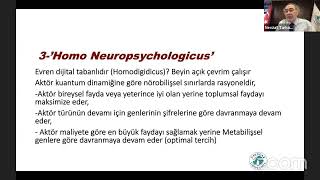 Moderatör Doç. Dr. Engin SELÇUK, İstanbul Üniversitesi Siyasal Bilgiler Fakültesi Konuşmacılar Prof. Dr. Ramazan BİÇER, Sakarya Üniversitesi | Rabia YILDIZ, Sakarya Üniversitesi Sosyal Bilimler Enstitüsü “İslam İktisadının Temel Dinamikleri ve Teolojik Altyapısı” Prof. Dr. Aysu İNSEL, Marmara Üniversitesi, İktisat Fakültesi (Emekli) "Holistik İdeal Düşünme Sistemi İçinden Karşıtlıklara Bakış" Prof. Dr. Nevzat TARHAN, Üsküdar Üniversitesi Kurucu Rektörü “İnsan Homoeconomicus mu? Homo Psikolojiicus mu?” Dr. Öğr. Üyesi Tuğçenur EKİNCİ FURTANA, İstanbul Sabahattin Zaim Üniv. Uluslararası Tic. ve Finansman Böl. Dr. Ömer Murat, Avrasya Bir Vakfı Danışmanı “Çin'in Küresel ve Bölgesel Anlaşmalar ile Uluslararası Ticarete Katkısı” Dr. Öğr. Üyesi Zeynep AKYÜREK, Yalova Üniversitesi “Türkiye ve Dünya Müslümanlarının Dinî Katılım ve Öznel İyi Oluş Karşılaştırması” Dr. Özge MEMİŞOGLU, Araştırmacı, National University of Public Service “Dijital İpek Yolu’nda Çin-Türkiye İşbirliğinin Geleceği: Güvenlik Bağlamında Dinamiklerin Analizi” Umut Berhan ŞEN, Sahipkıran Stratejik Araştırmalar Merkezi Uzmanı-Yazar “Değişen Dünya Dinamikleri Kapsamında Ekonomik İstihbaratın Önemi” İstanbul İktisat Kongresi, Türk Asya Stratejik Araştırmalar Merkezi TASAM ile TASAM BGC tarafından “Geleceğin Ekonomisinde Türkiye ve Sosyal Ahlak Kodu“ ana temasıyla 09-10 Aralık 2021 tarihinde - Kovid-19 salgınında çıkan son varyant(lar)ın oluşturduğu çekincelerin teyit ve katılımları etkilemesini önlemek adına - çevrimiçi olarak gerçekleştirilecektir. 👉 https://tasam.org/tr-TR/Etkinlik/16210/istanbul_iktisat_kongresi TASAM’ın inisiyatifinde oluşturulan; iktisat yazınına katkıda bulunup ulusal ve küresel sorunların çözümü için yenilikçi araştırmalar yapan seçkin düşünürlerin buluştuğu İstanbul İktisat Konuşmaları platformu; iktisat teorisindeki gelişmeleri tartışıp dünya ve Türkiye iktisadi analizini farklı açılarla değerlendirmek üzere geçtiğimiz yıllarda dört kez toplanmış ve raporları yayımlanmıştır. Ana Tema Geleceğin Ekonomisinde Türkiye ve Sosyal Ahlak Kodu Alt Temalar Türk Uzmanların İktisat Yaklaşımları, Sosyal Davranışlar ve Alternatif Modeller Kapitalist Sistem ve Mülkiyet-Teknoloji İlişkisinin Geleceği Yerel İktisat Anlayışının Otoriterleşme Eğilimine Olası Etkileri Makro Politika: Siyasi-Ekonomik-Sektörel Hedeflerin Bütünlüğü Türk Ekonomisinin İşleyişi: Emek-Ürün-Hizmet Piyasaları ve Refleks Mekanizmalar Geleceğin İş Gücü, Güç ve Mülkiyet Dinamikleri Eğitim, Güvenlik, Savunma, Sağlık, Gıda vb. Temel Sektörleri için Öngörüler İstanbul Finans Merkezi’nin Geleceği ve Vizyonu Büyüme Stratejisi, Finans, Sanayileşme, Sosyal Devlet ve Piyasa üzerine Öneriler Küresel ve Bölgesel Ekonomilere dair Makro Çalışmalar Değişen Dünya Dinamikleri ve Türkiye’nin İktisadî Politikaları Uluslararası İktisat Yaklaşımı ve Politikalarına karşı Türkiye’nin Bağışıklık Sistemi Türkiye’ye Özgü Disiplinler-arası İktisat Anlayışı ve Pratiğinin Bilimsel Temelleri Devlet-Piyasa İlişkisi ve Sanayileşme Deneyimi Ekseninde Özgün Türk Kalkınma Modeli Sürdürülebilir Ekonomik Kalkınmada Yeni Teknolojiler Üretimde Verimlilik Artırıcı - Yönetimde Karar Alıcı Yapay Zekâ ve Robotik Teknoloji Yapay Zekâ ve Robotik Kullanımı Kaynaklı Olası Sosyoekonomik Krizler ve Öneriler Etkin Enerji Kullanımında Finans ve Üretici Sermaye Gerilimleri Yenilenebilir Enerji - Fosil Enerji Üreticilerine Karşı: Jeopolitik Riskler ve Ekonomi Yeni Teknolojilere En Çok İhtiyaç Duyulan Alanlar; Kısa ve Orta Vadeli Öngörüler Küresel ve Bölgesel Kalkınmada Sosyal Ahlak ve Ekonominin Rolü Krizlerle Başa Çıkmada Sosyal Ahlak Kodu Modern Batı Medeniyeti ve Türk Medeniyetinin Ekonomi Kodları Japonya İş Organizasyonunun Kültürel Temelleri Çin Ekonomik Kalkınmasında Sosyal Etik ve Taoizm Türk Ekonomi Sisteminde Sosyal Ahlak Kodu Perspektifleri Teknolojinin Evrensel Tehdidine Yerel/Millî Ahlak Kodu ile Çözüm Üretmek Kültürel Mirasın Süreklilik/Değişim Açısından İktisada Etkisi Küresel Sağlık Tehditlerine Karşı Yerel Dayanışma Ahlakı - Evrensel İşbirliği Etiği
 -
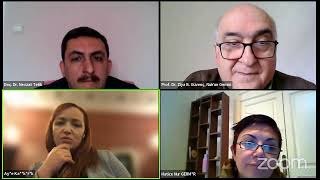 Moderatör Prof. Dr. Ziya Burhanettin GÜVENÇ, Çankaya Üniversitesi (E) Rektörü Konuşmacılar Doç. Dr. Nevzat TETİK, İnönü Üniversitesi İİBF İşletme Bölümü Muhasebe-Finansman ABD “Katılım Bankaları Perspektifinden İstanbul Finans Merkezi’nin Geleceği ve Vizyonu” Dr. Nedim TÜRKMEN, Galatasaray Üniversitesi, Türkmen Mali Denetim Grubu Başkanı “Geleceğin Türkiye Ekonomisinde Vergi Sistemi Nasıl Olmalıdır?” Dr. Öğr. Üyesi Hatice Nur GERMİR, Manisa Celal Bayar Üniversitesi “Bankacılık Sektöründe Dijitalleşme ve Siber Güvenlik” Dr. Filiz KATMAN, İstanbul Aydın Üniversitesi, Siyaset Bilimi ve Uluslararası İlişkiler Bölümü “Uluslararası Ekonomi Politikte Güncel Tehditler: Sistem Analizi” Doktorant Ayşe KAŞIKIRIK, İstanbul Üniversitesi “Kentsel Yoksullukla Mücadelede Yerel Yönetimlerin Rolü: İstanbul Örneği” İstanbul İktisat Kongresi, Türk Asya Stratejik Araştırmalar Merkezi TASAM ile TASAM BGC tarafından “Geleceğin Ekonomisinde Türkiye ve Sosyal Ahlak Kodu“ ana temasıyla 09-10 Aralık 2021 tarihinde - Kovid-19 salgınında çıkan son varyant(lar)ın oluşturduğu çekincelerin teyit ve katılımları etkilemesini önlemek adına - çevrimiçi olarak gerçekleştirilecektir. 👉 https://tasam.org/tr-TR/Etkinlik/16210/istanbul_iktisat_kongresi TASAM’ın inisiyatifinde oluşturulan; iktisat yazınına katkıda bulunup ulusal ve küresel sorunların çözümü için yenilikçi araştırmalar yapan seçkin düşünürlerin buluştuğu İstanbul İktisat Konuşmaları platformu; iktisat teorisindeki gelişmeleri tartışıp dünya ve Türkiye iktisadi analizini farklı açılarla değerlendirmek üzere geçtiğimiz yıllarda dört kez toplanmış ve raporları yayımlanmıştır. Ana Tema Geleceğin Ekonomisinde Türkiye ve Sosyal Ahlak Kodu Alt Temalar Türk Uzmanların İktisat Yaklaşımları, Sosyal Davranışlar ve Alternatif Modeller Kapitalist Sistem ve Mülkiyet-Teknoloji İlişkisinin Geleceği Yerel İktisat Anlayışının Otoriterleşme Eğilimine Olası Etkileri Makro Politika: Siyasi-Ekonomik-Sektörel Hedeflerin Bütünlüğü Türk Ekonomisinin İşleyişi: Emek-Ürün-Hizmet Piyasaları ve Refleks Mekanizmalar Geleceğin İş Gücü, Güç ve Mülkiyet Dinamikleri Eğitim, Güvenlik, Savunma, Sağlık, Gıda vb. Temel Sektörleri için Öngörüler İstanbul Finans Merkezi’nin Geleceği ve Vizyonu Büyüme Stratejisi, Finans, Sanayileşme, Sosyal Devlet ve Piyasa üzerine Öneriler Küresel ve Bölgesel Ekonomilere dair Makro Çalışmalar Değişen Dünya Dinamikleri ve Türkiye’nin İktisadî Politikaları Uluslararası İktisat Yaklaşımı ve Politikalarına karşı Türkiye’nin Bağışıklık Sistemi Türkiye’ye Özgü Disiplinler-arası İktisat Anlayışı ve Pratiğinin Bilimsel Temelleri Devlet-Piyasa İlişkisi ve Sanayileşme Deneyimi Ekseninde Özgün Türk Kalkınma Modeli Sürdürülebilir Ekonomik Kalkınmada Yeni Teknolojiler Üretimde Verimlilik Artırıcı - Yönetimde Karar Alıcı Yapay Zekâ ve Robotik Teknoloji Yapay Zekâ ve Robotik Kullanımı Kaynaklı Olası Sosyoekonomik Krizler ve Öneriler Etkin Enerji Kullanımında Finans ve Üretici Sermaye Gerilimleri Yenilenebilir Enerji - Fosil Enerji Üreticilerine Karşı: Jeopolitik Riskler ve Ekonomi Yeni Teknolojilere En Çok İhtiyaç Duyulan Alanlar; Kısa ve Orta Vadeli Öngörüler Küresel ve Bölgesel Kalkınmada Sosyal Ahlak ve Ekonominin Rolü Krizlerle Başa Çıkmada Sosyal Ahlak Kodu Modern Batı Medeniyeti ve Türk Medeniyetinin Ekonomi Kodları Japonya İş Organizasyonunun Kültürel Temelleri Çin Ekonomik Kalkınmasında Sosyal Etik ve Taoizm Türk Ekonomi Sisteminde Sosyal Ahlak Kodu Perspektifleri Teknolojinin Evrensel Tehdidine Yerel/Millî Ahlak Kodu ile Çözüm Üretmek Kültürel Mirasın Süreklilik/Değişim Açısından İktisada Etkisi Küresel Sağlık Tehditlerine Karşı Yerel Dayanışma Ahlakı - Evrensel İşbirliği Etiği
 -
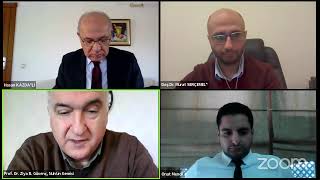 Moderatör Prof. Dr. Ahmet KALA, İstanbul Üniversitesi İktisat Fakültesi Anahtar Konuşmacı Prof. Dr. Hasan KAZDAĞLI, Türkiye Ekonomi Kurulu Başkanı, Pamukkale Üniversitesi (E) Rektörü Konuşmacılar Prof. Dr. Ziya Burhanettin GÜVENÇ, Çankaya Üniversitesi (E) Rektörü “Nuh’un Gemisi: Kümelenme” Prof. Dr. Bedri GENCER, Yıldız Teknik Üniversitesi “Mahalle Baskısından Güvenlik Kameralarına: Organik Şehrin Kaybıyla Sosyal Ahlakın Kaybı” Doç. Dr. Murat SERÇEMELİ, Giresun Üniversitesi “Yeni Teknolojilerle Birlikte Ortaya Çıkacak Geleceğin Meslekleri Üzerine Bir Değerlendirme” Dr. Öğr. Üyesi. Beyhan YASLIDAĞ, İstanbul Aydın Üniversitesi İİBF Ekonomi ve Finans “Blockchain ve Kripto Paralar, Yapay Zekâ ve İstihdam” İstanbul İktisat Kongresi, Türk Asya Stratejik Araştırmalar Merkezi TASAM ile TASAM BGC tarafından “Geleceğin Ekonomisinde Türkiye ve Sosyal Ahlak Kodu“ ana temasıyla 09-10 Aralık 2021 tarihinde - Kovid-19 salgınında çıkan son varyant(lar)ın oluşturduğu çekincelerin teyit ve katılımları etkilemesini önlemek adına - çevrimiçi olarak gerçekleştirilecektir. 👉 https://tasam.org/tr-TR/Etkinlik/16210/istanbul_iktisat_kongresi TASAM’ın inisiyatifinde oluşturulan; iktisat yazınına katkıda bulunup ulusal ve küresel sorunların çözümü için yenilikçi araştırmalar yapan seçkin düşünürlerin buluştuğu İstanbul İktisat Konuşmaları platformu; iktisat teorisindeki gelişmeleri tartışıp dünya ve Türkiye iktisadi analizini farklı açılarla değerlendirmek üzere geçtiğimiz yıllarda dört kez toplanmış ve raporları yayımlanmıştır. Ana Tema Geleceğin Ekonomisinde Türkiye ve Sosyal Ahlak Kodu Alt Temalar Türk Uzmanların İktisat Yaklaşımları, Sosyal Davranışlar ve Alternatif Modeller Kapitalist Sistem ve Mülkiyet-Teknoloji İlişkisinin Geleceği Yerel İktisat Anlayışının Otoriterleşme Eğilimine Olası Etkileri Makro Politika: Siyasi-Ekonomik-Sektörel Hedeflerin Bütünlüğü Türk Ekonomisinin İşleyişi: Emek-Ürün-Hizmet Piyasaları ve Refleks Mekanizmalar Geleceğin İş Gücü, Güç ve Mülkiyet Dinamikleri Eğitim, Güvenlik, Savunma, Sağlık, Gıda vb. Temel Sektörleri için Öngörüler İstanbul Finans Merkezi’nin Geleceği ve Vizyonu Büyüme Stratejisi, Finans, Sanayileşme, Sosyal Devlet ve Piyasa üzerine Öneriler Küresel ve Bölgesel Ekonomilere dair Makro Çalışmalar Değişen Dünya Dinamikleri ve Türkiye’nin İktisadî Politikaları Uluslararası İktisat Yaklaşımı ve Politikalarına karşı Türkiye’nin Bağışıklık Sistemi Türkiye’ye Özgü Disiplinler-arası İktisat Anlayışı ve Pratiğinin Bilimsel Temelleri Devlet-Piyasa İlişkisi ve Sanayileşme Deneyimi Ekseninde Özgün Türk Kalkınma Modeli Sürdürülebilir Ekonomik Kalkınmada Yeni Teknolojiler Üretimde Verimlilik Artırıcı - Yönetimde Karar Alıcı Yapay Zekâ ve Robotik Teknoloji Yapay Zekâ ve Robotik Kullanımı Kaynaklı Olası Sosyoekonomik Krizler ve Öneriler Etkin Enerji Kullanımında Finans ve Üretici Sermaye Gerilimleri Yenilenebilir Enerji - Fosil Enerji Üreticilerine Karşı: Jeopolitik Riskler ve Ekonomi Yeni Teknolojilere En Çok İhtiyaç Duyulan Alanlar; Kısa ve Orta Vadeli Öngörüler Küresel ve Bölgesel Kalkınmada Sosyal Ahlak ve Ekonominin Rolü Krizlerle Başa Çıkmada Sosyal Ahlak Kodu Modern Batı Medeniyeti ve Türk Medeniyetinin Ekonomi Kodları Japonya İş Organizasyonunun Kültürel Temelleri Çin Ekonomik Kalkınmasında Sosyal Etik ve Taoizm Türk Ekonomi Sisteminde Sosyal Ahlak Kodu Perspektifleri Teknolojinin Evrensel Tehdidine Yerel/Millî Ahlak Kodu ile Çözüm Üretmek Kültürel Mirasın Süreklilik/Değişim Açısından İktisada Etkisi Küresel Sağlık Tehditlerine Karşı Yerel Dayanışma Ahlakı - Evrensel İşbirliği Etiği
 -
 Moderatör Büyükelçi (E) Prof. Dr. Ali Engin OBA, Çağ Üniversitesi Uluslararası İlişkiler Bölüm Başkanı, TASAM Başkan Danışmanı Konuşmacılar Prof. Dr. Nevzat SAYGILIOĞLU, Atılım Üniversitesi “Makro Politika: Siyasi, Ekonomik ve Sektörel Hedeflerin Bütünlüğü” Dr. Öğr. Üyesi Volkan KAYMAZ, İstanbul Yeni Yüzyıl Üniversitesi “Orta Gelir Tuzağındaki Türkiye” Dr. Öğr. Üyesi Mustafa Ercan KILIÇ, İnönü Üniversitesi, İİBF, İktisat Bölümü “Ahmet Hamdi Tanpınar Üzerinden İktisadı Anlamak: ‘Beş Şehir’ Adlı Eserin İncelenmesi” Araştırma Görevlisi Tacinur AKÇA, Ordu Üniversitesi “Türkiye’de Yurtiçi Krediler ve Ekonomik Büyüme İlişkisi” Muharrem Ali DERE, Marka Filozofu “Alametifarika Disiplinleri, Ahi Evran Modeliyle Markalaşma” İstanbul İktisat Kongresi, Türk Asya Stratejik Araştırmalar Merkezi TASAM ile TASAM BGC tarafından “Geleceğin Ekonomisinde Türkiye ve Sosyal Ahlak Kodu“ ana temasıyla 09-10 Aralık 2021 tarihinde - Kovid-19 salgınında çıkan son varyant(lar)ın oluşturduğu çekincelerin teyit ve katılımları etkilemesini önlemek adına - çevrimiçi olarak gerçekleştirilecektir. 👉 https://tasam.org/tr-TR/Etkinlik/16210/istanbul_iktisat_kongresi TASAM’ın inisiyatifinde oluşturulan; iktisat yazınına katkıda bulunup ulusal ve küresel sorunların çözümü için yenilikçi araştırmalar yapan seçkin düşünürlerin buluştuğu İstanbul İktisat Konuşmaları platformu; iktisat teorisindeki gelişmeleri tartışıp dünya ve Türkiye iktisadi analizini farklı açılarla değerlendirmek üzere geçtiğimiz yıllarda dört kez toplanmış ve raporları yayımlanmıştır. Ana Tema Geleceğin Ekonomisinde Türkiye ve Sosyal Ahlak Kodu Alt Temalar Türk Uzmanların İktisat Yaklaşımları, Sosyal Davranışlar ve Alternatif Modeller Kapitalist Sistem ve Mülkiyet-Teknoloji İlişkisinin Geleceği Yerel İktisat Anlayışının Otoriterleşme Eğilimine Olası Etkileri Makro Politika: Siyasi-Ekonomik-Sektörel Hedeflerin Bütünlüğü Türk Ekonomisinin İşleyişi: Emek-Ürün-Hizmet Piyasaları ve Refleks Mekanizmalar Geleceğin İş Gücü, Güç ve Mülkiyet Dinamikleri Eğitim, Güvenlik, Savunma, Sağlık, Gıda vb. Temel Sektörleri için Öngörüler İstanbul Finans Merkezi’nin Geleceği ve Vizyonu Büyüme Stratejisi, Finans, Sanayileşme, Sosyal Devlet ve Piyasa üzerine Öneriler Küresel ve Bölgesel Ekonomilere dair Makro Çalışmalar Değişen Dünya Dinamikleri ve Türkiye’nin İktisadî Politikaları Uluslararası İktisat Yaklaşımı ve Politikalarına karşı Türkiye’nin Bağışıklık Sistemi Türkiye’ye Özgü Disiplinler-arası İktisat Anlayışı ve Pratiğinin Bilimsel Temelleri Devlet-Piyasa İlişkisi ve Sanayileşme Deneyimi Ekseninde Özgün Türk Kalkınma Modeli Sürdürülebilir Ekonomik Kalkınmada Yeni Teknolojiler Üretimde Verimlilik Artırıcı - Yönetimde Karar Alıcı Yapay Zekâ ve Robotik Teknoloji Yapay Zekâ ve Robotik Kullanımı Kaynaklı Olası Sosyoekonomik Krizler ve Öneriler Etkin Enerji Kullanımında Finans ve Üretici Sermaye Gerilimleri Yenilenebilir Enerji - Fosil Enerji Üreticilerine Karşı: Jeopolitik Riskler ve Ekonomi Yeni Teknolojilere En Çok İhtiyaç Duyulan Alanlar; Kısa ve Orta Vadeli Öngörüler Küresel ve Bölgesel Kalkınmada Sosyal Ahlak ve Ekonominin Rolü Krizlerle Başa Çıkmada Sosyal Ahlak Kodu Modern Batı Medeniyeti ve Türk Medeniyetinin Ekonomi Kodları Japonya İş Organizasyonunun Kültürel Temelleri Çin Ekonomik Kalkınmasında Sosyal Etik ve Taoizm Türk Ekonomi Sisteminde Sosyal Ahlak Kodu Perspektifleri Teknolojinin Evrensel Tehdidine Yerel/Millî Ahlak Kodu ile Çözüm Üretmek Kültürel Mirasın Süreklilik/Değişim Açısından İktisada Etkisi Küresel Sağlık Tehditlerine Karşı Yerel Dayanışma Ahlakı - Evrensel İşbirliği Etiği
 -
 Moderatör Prof. Dr. Erhan ASLANOGLU, Piri Reis Üniversitesi Ekonomi ve Finans Bölümü Konuşmacılar Prof. Dr. Ahmet KALA, İstanbul Üniversitesi İktisat Fakültesi “Küresel bir Sömürü Düzeni Oluşturan Vahşi Kapitalist-Küresel Şirketlere Karşı Paylaşımcı, İnsancıl ve Medeni bir Üretim Modeli Olarak KOBİ'lere Dayalı Kümelenerek Tedarik-Üretim-Satış Modeli” Doç. Dr. Ata ÖZKAYA, Galatasaray Üniversitesi “Büyüme Stratejisi, Finans, Sanayileşme, Sosyal Devlet ve Piyasa Üzerine Öneriler” Dr. Cemil GÜNAY, Çağ Üniversitesi “Türkiye-Çin Ticari İlişkileri Üzerine Gözlem ve Tespitler” Musa KARADEMİR, BDU-İş İnsanları ve Diplomatlar Birliği Başkanı “GREAT RESET / BÜYÜK SIFIRLAMA, BÜYÜK SIFIRLAMA AMA NİYE?” İstanbul İktisat Kongresi, Türk Asya Stratejik Araştırmalar Merkezi TASAM ile TASAM BGC tarafından “Geleceğin Ekonomisinde Türkiye ve Sosyal Ahlak Kodu“ ana temasıyla 09-10 Aralık 2021 tarihinde - Kovid-19 salgınında çıkan son varyant(lar)ın oluşturduğu çekincelerin teyit ve katılımları etkilemesini önlemek adına - çevrimiçi olarak gerçekleştirilecektir. 👉 https://tasam.org/tr-TR/Etkinlik/16210/istanbul_iktisat_kongresi TASAM’ın inisiyatifinde oluşturulan; iktisat yazınına katkıda bulunup ulusal ve küresel sorunların çözümü için yenilikçi araştırmalar yapan seçkin düşünürlerin buluştuğu İstanbul İktisat Konuşmaları platformu; iktisat teorisindeki gelişmeleri tartışıp dünya ve Türkiye iktisadi analizini farklı açılarla değerlendirmek üzere geçtiğimiz yıllarda dört kez toplanmış ve raporları yayımlanmıştır. Ana Tema Geleceğin Ekonomisinde Türkiye ve Sosyal Ahlak Kodu Alt Temalar Türk Uzmanların İktisat Yaklaşımları, Sosyal Davranışlar ve Alternatif Modeller Kapitalist Sistem ve Mülkiyet-Teknoloji İlişkisinin Geleceği Yerel İktisat Anlayışının Otoriterleşme Eğilimine Olası Etkileri Makro Politika: Siyasi-Ekonomik-Sektörel Hedeflerin Bütünlüğü Türk Ekonomisinin İşleyişi: Emek-Ürün-Hizmet Piyasaları ve Refleks Mekanizmalar Geleceğin İş Gücü, Güç ve Mülkiyet Dinamikleri Eğitim, Güvenlik, Savunma, Sağlık, Gıda vb. Temel Sektörleri için Öngörüler İstanbul Finans Merkezi’nin Geleceği ve Vizyonu Büyüme Stratejisi, Finans, Sanayileşme, Sosyal Devlet ve Piyasa üzerine Öneriler Küresel ve Bölgesel Ekonomilere dair Makro Çalışmalar Değişen Dünya Dinamikleri ve Türkiye’nin İktisadî Politikaları Uluslararası İktisat Yaklaşımı ve Politikalarına karşı Türkiye’nin Bağışıklık Sistemi Türkiye’ye Özgü Disiplinler-arası İktisat Anlayışı ve Pratiğinin Bilimsel Temelleri Devlet-Piyasa İlişkisi ve Sanayileşme Deneyimi Ekseninde Özgün Türk Kalkınma Modeli Sürdürülebilir Ekonomik Kalkınmada Yeni Teknolojiler Üretimde Verimlilik Artırıcı - Yönetimde Karar Alıcı Yapay Zekâ ve Robotik Teknoloji Yapay Zekâ ve Robotik Kullanımı Kaynaklı Olası Sosyoekonomik Krizler ve Öneriler Etkin Enerji Kullanımında Finans ve Üretici Sermaye Gerilimleri Yenilenebilir Enerji - Fosil Enerji Üreticilerine Karşı: Jeopolitik Riskler ve Ekonomi Yeni Teknolojilere En Çok İhtiyaç Duyulan Alanlar; Kısa ve Orta Vadeli Öngörüler Küresel ve Bölgesel Kalkınmada Sosyal Ahlak ve Ekonominin Rolü Krizlerle Başa Çıkmada Sosyal Ahlak Kodu Modern Batı Medeniyeti ve Türk Medeniyetinin Ekonomi Kodları Japonya İş Organizasyonunun Kültürel Temelleri Çin Ekonomik Kalkınmasında Sosyal Etik ve Taoizm Türk Ekonomi Sisteminde Sosyal Ahlak Kodu Perspektifleri Teknolojinin Evrensel Tehdidine Yerel/Millî Ahlak Kodu ile Çözüm Üretmek Kültürel Mirasın Süreklilik/Değişim Açısından İktisada Etkisi Küresel Sağlık Tehditlerine Karşı Yerel Dayanışma Ahlakı - Evrensel İşbirliği Etiği
 -
 Moderatör Prof. Dr. Ekrem ERDEM, Erciyes Üniversitesi İktisat Politikası Anabilim Dalı Başkanı Anahtar Konuşmacı Gökhan MARAŞ, (E) Kültür Bakanı, Hukukçu Konuşmacılar Büyükelçi (E) Prof. Dr. Ali Engin OBA, Çağ Üniversitesi Uluslararası İlişkiler Bölüm Başkanı, TASAM Başkan Danışmanı “Diplomasi Araştırmaları Işığında Ekonomi Diplomasisi ve Türkiye” Prof. Dr. Mazhar BAĞLI, Prof. Dr. Sadettin Ökten Şehir Düşünce Merkezi Bilim Kurulu Başkanı “Modern Dünya’da Farklı Ekonomik Modeller Mümkün mü?” Prof. Dr. Alev ERKİLET, Sosyolog, İbn Haldun Üniversitesi “Küresel ve Bölgesel Kalkınmada Sosyal Ahlak ve Ekonominin Rolü” Doç. Dr. Arzu Alvan BOZDERELİ, Kıbrıs İlim Üniversitesi “Paranın ve Ekonominin Küresel Dönüşümü ve Türkiye’ye Yansımaları” Öğretim Görevlisi Güney Ferhat BATI, Kıbrıs Amerikan Üniversitesi “Avrupa Birliği Bölgesel Politikasında Türkiye’de Kalkınma Politikalarının Geleceği” İstanbul İktisat Kongresi, Türk Asya Stratejik Araştırmalar Merkezi TASAM ile TASAM BGC tarafından “Geleceğin Ekonomisinde Türkiye ve Sosyal Ahlak Kodu“ ana temasıyla 09-10 Aralık 2021 tarihinde - Kovid-19 salgınında çıkan son varyant(lar)ın oluşturduğu çekincelerin teyit ve katılımları etkilemesini önlemek adına - çevrimiçi olarak gerçekleştirilecektir. 👉 https://tasam.org/tr-TR/Etkinlik/16210/istanbul_iktisat_kongresi TASAM’ın inisiyatifinde oluşturulan; iktisat yazınına katkıda bulunup ulusal ve küresel sorunların çözümü için yenilikçi araştırmalar yapan seçkin düşünürlerin buluştuğu İstanbul İktisat Konuşmaları platformu; iktisat teorisindeki gelişmeleri tartışıp dünya ve Türkiye iktisadi analizini farklı açılarla değerlendirmek üzere geçtiğimiz yıllarda dört kez toplanmış ve raporları yayımlanmıştır. Ana Tema Geleceğin Ekonomisinde Türkiye ve Sosyal Ahlak Kodu Alt Temalar Türk Uzmanların İktisat Yaklaşımları, Sosyal Davranışlar ve Alternatif Modeller Kapitalist Sistem ve Mülkiyet-Teknoloji İlişkisinin Geleceği Yerel İktisat Anlayışının Otoriterleşme Eğilimine Olası Etkileri Makro Politika: Siyasi-Ekonomik-Sektörel Hedeflerin Bütünlüğü Türk Ekonomisinin İşleyişi: Emek-Ürün-Hizmet Piyasaları ve Refleks Mekanizmalar Geleceğin İş Gücü, Güç ve Mülkiyet Dinamikleri Eğitim, Güvenlik, Savunma, Sağlık, Gıda vb. Temel Sektörleri için Öngörüler İstanbul Finans Merkezi’nin Geleceği ve Vizyonu Büyüme Stratejisi, Finans, Sanayileşme, Sosyal Devlet ve Piyasa üzerine Öneriler Küresel ve Bölgesel Ekonomilere dair Makro Çalışmalar Değişen Dünya Dinamikleri ve Türkiye’nin İktisadî Politikaları Uluslararası İktisat Yaklaşımı ve Politikalarına karşı Türkiye’nin Bağışıklık Sistemi Türkiye’ye Özgü Disiplinler-arası İktisat Anlayışı ve Pratiğinin Bilimsel Temelleri Devlet-Piyasa İlişkisi ve Sanayileşme Deneyimi Ekseninde Özgün Türk Kalkınma Modeli Sürdürülebilir Ekonomik Kalkınmada Yeni Teknolojiler Üretimde Verimlilik Artırıcı - Yönetimde Karar Alıcı Yapay Zekâ ve Robotik Teknoloji Yapay Zekâ ve Robotik Kullanımı Kaynaklı Olası Sosyoekonomik Krizler ve Öneriler Etkin Enerji Kullanımında Finans ve Üretici Sermaye Gerilimleri Yenilenebilir Enerji - Fosil Enerji Üreticilerine Karşı: Jeopolitik Riskler ve Ekonomi Yeni Teknolojilere En Çok İhtiyaç Duyulan Alanlar; Kısa ve Orta Vadeli Öngörüler Küresel ve Bölgesel Kalkınmada Sosyal Ahlak ve Ekonominin Rolü Krizlerle Başa Çıkmada Sosyal Ahlak Kodu Modern Batı Medeniyeti ve Türk Medeniyetinin Ekonomi Kodları Japonya İş Organizasyonunun Kültürel Temelleri Çin Ekonomik Kalkınmasında Sosyal Etik ve Taoizm Türk Ekonomi Sisteminde Sosyal Ahlak Kodu Perspektifleri Teknolojinin Evrensel Tehdidine Yerel/Millî Ahlak Kodu ile Çözüm Üretmek Kültürel Mirasın Süreklilik/Değişim Açısından İktisada Etkisi Küresel Sağlık Tehditlerine Karşı Yerel Dayanışma Ahlakı - Evrensel İşbirliği Etiği
 -
 İstanbul İktisat Kongresi, Türk Asya Stratejik Araştırmalar Merkezi TASAM ile TASAM BGC tarafından “Geleceğin Ekonomisinde Türkiye ve Sosyal Ahlak Kodu“ ana temasıyla 09-10 Aralık 2021 tarihinde - Kovid-19 salgınında çıkan son varyant(lar)ın oluşturduğu çekincelerin teyit ve katılımları etkilemesini önlemek adına - çevrimiçi olarak gerçekleştirilecektir. 👉 https://tasam.org/tr-TR/Etkinlik/16210/istanbul_iktisat_kongresi TASAM’ın inisiyatifinde oluşturulan; iktisat yazınına katkıda bulunup ulusal ve küresel sorunların çözümü için yenilikçi araştırmalar yapan seçkin düşünürlerin buluştuğu İstanbul İktisat Konuşmaları platformu; iktisat teorisindeki gelişmeleri tartışıp dünya ve Türkiye iktisadi analizini farklı açılarla değerlendirmek üzere geçtiğimiz yıllarda dört kez toplanmış ve raporları yayımlanmıştır. Ana Tema Geleceğin Ekonomisinde Türkiye ve Sosyal Ahlak Kodu Alt Temalar Türk Uzmanların İktisat Yaklaşımları, Sosyal Davranışlar ve Alternatif Modeller Kapitalist Sistem ve Mülkiyet-Teknoloji İlişkisinin Geleceği Yerel İktisat Anlayışının Otoriterleşme Eğilimine Olası Etkileri Makro Politika: Siyasi-Ekonomik-Sektörel Hedeflerin Bütünlüğü Türk Ekonomisinin İşleyişi: Emek-Ürün-Hizmet Piyasaları ve Refleks Mekanizmalar Geleceğin İş Gücü, Güç ve Mülkiyet Dinamikleri Eğitim, Güvenlik, Savunma, Sağlık, Gıda vb. Temel Sektörleri için Öngörüler İstanbul Finans Merkezi’nin Geleceği ve Vizyonu Büyüme Stratejisi, Finans, Sanayileşme, Sosyal Devlet ve Piyasa üzerine Öneriler Küresel ve Bölgesel Ekonomilere dair Makro Çalışmalar Değişen Dünya Dinamikleri ve Türkiye’nin İktisadî Politikaları Uluslararası İktisat Yaklaşımı ve Politikalarına karşı Türkiye’nin Bağışıklık Sistemi Türkiye’ye Özgü Disiplinler-arası İktisat Anlayışı ve Pratiğinin Bilimsel Temelleri Devlet-Piyasa İlişkisi ve Sanayileşme Deneyimi Ekseninde Özgün Türk Kalkınma Modeli Sürdürülebilir Ekonomik Kalkınmada Yeni Teknolojiler Üretimde Verimlilik Artırıcı - Yönetimde Karar Alıcı Yapay Zekâ ve Robotik Teknoloji Yapay Zekâ ve Robotik Kullanımı Kaynaklı Olası Sosyoekonomik Krizler ve Öneriler Etkin Enerji Kullanımında Finans ve Üretici Sermaye Gerilimleri Yenilenebilir Enerji - Fosil Enerji Üreticilerine Karşı: Jeopolitik Riskler ve Ekonomi Yeni Teknolojilere En Çok İhtiyaç Duyulan Alanlar; Kısa ve Orta Vadeli Öngörüler Küresel ve Bölgesel Kalkınmada Sosyal Ahlak ve Ekonominin Rolü Krizlerle Başa Çıkmada Sosyal Ahlak Kodu Modern Batı Medeniyeti ve Türk Medeniyetinin Ekonomi Kodları Japonya İş Organizasyonunun Kültürel Temelleri Çin Ekonomik Kalkınmasında Sosyal Etik ve Taoizm Türk Ekonomi Sisteminde Sosyal Ahlak Kodu Perspektifleri Teknolojinin Evrensel Tehdidine Yerel/Millî Ahlak Kodu ile Çözüm Üretmek Kültürel Mirasın Süreklilik/Değişim Açısından İktisada Etkisi Küresel Sağlık Tehditlerine Karşı Yerel Dayanışma Ahlakı - Evrensel İşbirliği Etiği
 -

-
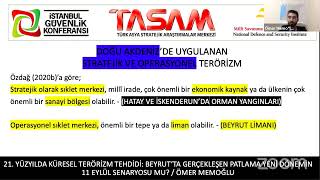
 4. Türkiye - Körfez Savunma ve Güvenlik Forumu'nun 4. oturumu Abdullah AĞAR'ın moderatörlüğünde Kovid-19 Sonrası Orta Doğu’da Güvenlik Yönetişimi ana teması ile işlenmiştir. Anahtar Konuşmacı ve Moderatör Abdullah AĞAR, Güvenlik Uzmanı “Vekâletler Savaşının Evrilmesi, İllegal Örgütlerin Legalleştirilmesi, Legal Devletlerin İllegalleştirilmesi Dizaynın Kavramlarla İlişkisi” Konuşmacılar Dr. Öğr. Üyesi, Süleyman ÖZMEN, İstanbul Rumeli Üniversitesi RUPAM Müdürü Hüseyin Murat LEHİMLER, RUPAM (Küresel Politikalar Araştırma ve Uygulama Merkezi)Koordinatörü “Mültecilerin Korunması Gereken Hakları Sorununun Diğer bir Boyutu” Dr. İsmail AKDOĞAN, Sakarya Üniversitesi “Değişen Bölgesel Güç Denkleminde Suudi Arabistan'ın Güvenlik Politikası” Bilgay DUMAN, Ortadoğu Araştırmaları Merkezi, Irak Çalışmaları Koordinatörü “Güvenlik Algısı içindeki Devlet-Dışı Aktörler kapsamında Haşdi-Şaabi Örneklemi” Abdullah ERBOĞA, SETA, Araştırmacı “Birleşik Arap Emirlikleri’nin Bölgesel Savunma Stratejisi ve Askerî Kapasitesi” Sarmad Ali KHAN, South Asian Strategic Stability Institute (SASSI) University “Körfez ve Güney Asya'daki Savaş Bölgeleri - Savaş Alanlarını Elektronik Harp ile Yeniden Eşleştirme”
 -
-
-

-

-

-

-

-

-

-
-

-

-

-

-

-

-

-

-
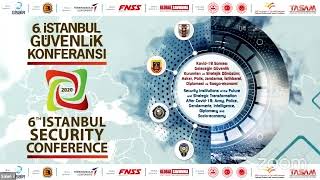
 Detaylı Bilgi için Linki Tıklayınız https://bit.ly/2pXh2Gb Bu yıl beşincisi düzenlenen İstanbul Güvenlik Konferansı, TASAM Millî Savunma ve Güvenlik Enstitüsü (MSGE) tarafından “Yeni Dünya Ekonomi ve Güvenlik Mimarisi” ana temasıyla 07-08 Kasım 2019 tarihinde İstanbul’da gerçekleştirildi.
 -
 İstanbul Güvenlik Konferansı Oturumları
 -
 4. Oturum Aramco Saldırısı Sonrası : Stratejik Tesislerin Korunması İstanbul
 -
 3.Oturum Entelektüel Gelişmeler ve Askerî Kavramlar: Bilgi Çağında Liderlik ve Askerî Zekânın Zorlukları 8 Kasım 2019 İstanbul
 -
 2.Oturum Modern Teknoloji ve Savaşın Geleceği 8 Kasım 2019 İstanbul
 -
 1.Oturum Basra Körfezi Bölgesi'ndeki Jeopolitik Dönüşümler 8 Kasım 2019 İstanbul
 -
 Yapay Zekâ ve Güvenlik 7-8 Kasım 2019 İstanbul
 -
 Yeni Güvenlik Mimarisi içinde NATO 7-8 Kasım 2019 İstanbul
 -
 Enerji Kaynakları ve Dünyada Enerji Arzı Güvenliği 7-8 Kasım 2019 İstanbul
 -
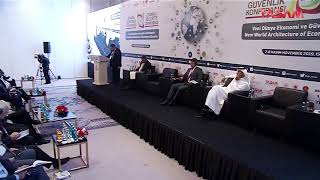 Orta Doğu'da Stratejik ve Güvenlik Ortamının Dönüşüm Yönleri 7-8 Kasım 2019 İstanbul
 -
 Etkinlik Sayfası : https://tasam.org/tr-TR/Etkinlik/15109/istanbul_guvenlik_konferansi_2019 Bu yıl beşincisi düzenlenen İstanbul Güvenlik Konferansı, TASAM Millî Savunma ve Güvenlik Enstitüsü (MSGE) tarafından “Yeni Dünya Ekonomi ve Güvenlik Mimarisi“ ana temasıyla 07-08 Kasım 2019 tarihinde İstanbul’da gerçekleştirildi. İstanbul’da CVK Park Bosphorus Oteli’nde yapılan İstanbul Güvenlik Konferansı 2019 ile birlikte; önceki iki yılda olduğu gibi Katar Stratejik Araştırmalar Merkezi (QSSC) işbirliğinde “Körfez Güç Mimarisi ve Ekonomik Güvenlik“ başlıklı 3. Türkiye - Körfez Savunma ve Güvenlik Forumu yanı sıra “Afrika Güvenlik Mimarisi ve Türkiye“ başlıklı 2. Türkiye - Afrika Savunma Güvenlik ve Uzay Forumu ile “Yeni Uzay Ekonomi ve Güvenlik Mimarisi“ başlıklı Uzay Ekosistemi ve Güvenliği Çalıştayı’nın ilki alt etkinlikler olarak eş zamanlı icra edildi. Ana Tema Yeni Dünya Ekonomi ve Güvenlik Mimarisi Alt Temalar Yeni Güç ve Mülkiyet Ekosistemi ve Hukuku Uluslararası Hukuk Güvenliği Yeni BM ve Güvenlik Mimarisi Ekonomik Güvenlik Yönetişimi Askerî ve Ekonomik Rekabetin Küresel Yönetişimi Güvenlik Örgütlerinin Dönüşümü
 -
 Detaylı Bilgi için Linki Tıklayınız https://bit.ly/2PirRK3 İstanbul Güvenlik Konferansı, “Geleceğin Güvenliği“ ana teması altında TASAM Millî Savunma ve Güvenlik Enstitüsü (MSGE) tarafından, Deep Learning Türkiye stratejik paydaşlığında, 08-09 Kasım 2018 tarihinde İstanbul’da Elite World Europe Oteli’nde icra edilmiştir.
 -
 Detaylı Bilgi için Linki Tıklayınız https://bit.ly/2ootiv3 Amerika'da Ekonomik Yaptırım TASAM Başkanı Süleyman ŞENSOY CNN TÜRK G7 - F35 - S400 - NATO
 -

-
 Detaylı Bilgi için Linki Tıklayınız https://bit.ly/2A4qNTp “Teori ve Pratikte Ruhani Otorite ve Entegrasyon” ana teması altında 8. Dünya İslam Forumu, 01-02 Mart 2018 tarihinde İstanbul’da; STK ve düşünce kuruluşu temsilcileri, araştırmacılar, siyasi temsilciler, bakanlar, diplomatlar, bürokratlar ve parlamenterlerin katılımı ile gerçekleştirilmiştir.
 -

-
 http://www.tasam.org/ https://www.facebook.com/tasam.org/ https://twitter.com/TASAMorg
 -
 "Devlet Doğasının Değişimi: Güvenliğin Sınırları" anateması ile İstanbul Güvenlik Konferansı 2-4 Kasım 2016 tarihlerinde Harbiye Askeri Müze ve Kültür Sitesi'nde gerçekleştirilecektir. Bilgi: www.istanbulguvenlikkonferansi.org
 -
 http://www.tasam.org/ https://www.facebook.com/tasam.org/ https://twitter.com/TASAMorg
 -
 http://www.tasam.org/ https://www.facebook.com/tasam.org/ https://twitter.com/TASAMorg
 -
 http://www.tasam.org/ https://www.facebook.com/tasam.org/ https://twitter.com/TASAMorg
 -
 http://www.tasam.org/ https://www.facebook.com/tasam.org/ https://twitter.com/TASAMorg
 -
 http://www.tasam.org/ https://www.facebook.com/tasam.org/ https://twitter.com/TASAMorg
 -
 http://www.tasam.org/ http://www.facebook.com/tasam.org http://twitter.com/TASAMorg
 -
 http://www.tasam.org/ http://www.facebook.com/tasam.org http://twitter.com/TASAMorg
 -
 http://www.tasam.org/ http://www.facebook.com/tasam.org http://twitter.com/TASAMorg
 -
 http://www.tasam.org/ http://www.facebook.com/tasam.org http://twitter.com/TASAMorg
 -
 http://www.tasam.org/ http://www.facebook.com/tasam.org http://twitter.com/TASAMorg
 -
 http://www.tasam.org/ http://www.facebook.com/tasam.org http://twitter.com/TASAMorg
 -
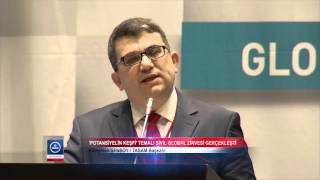 http://www.tasam.org/ http://www.facebook.com/tasam.org http://twitter.com/TASAMorg
 -
 On sekiz yıl önce STK tüzel kişiliğinde bir “düşünce kuruluşu” olarak çalışmalarına başlayan TASAM Türk Asya Stratejik Araştırmalar Merkezi, bugün uluslararası bir “Türkiye Markası” hâline gelmiştir. TASAM çalışmalarına; ana yönetim, enstitüler, program ve projelerin bilim, akil kişiler ve diğer çalışma kurullarında yüzlerce saygın duayen isim ciddi katkılar sunmaktadır. Alınan her inisiyatif güçlü bir kurumsallaşma iradesi ile yönetilmekte ve sayısız enstrümanla desteklenmektedir. TASAM, dış politika alanında 11 farklı başlık altında faaliyet göstermektedir. Bu alanlar kıta bazında Afrika, Asya, Avrupa, Latin Amerika ve Karayipler ile Kuzey Amerika iken bölge bazında; bu dört kıtanın Türkiye açısından her parametrede güvenlik kuşağı olan Balkanlar, Orta Doğu, Akdeniz ve Karadeniz - Kafkas’tır. Türk Dünyası ve İslam Dünyası ise kimlik alanları olarak geçmektedir. TASAM tarafından 13. kez verilecek Stratejik Vizyon Ödülleri, 4. kez verilecek Türk Dünyası Kızıl Elma Ödülleri ve yine 4. kez verilecek İslam Dünyası İstanbul Ödülleri her yıl güçlenerek kurumsallaşmaktadır. Ödül konseptlerine göre sayısız devlet başkanı, stratejik kurum ve kişiye verilen ödüllerin saygınlığı her seviyede karşılık görmektedir. TASAM’ın inisiyatifi ve Cumhurbaşkanlığı Himayeleri ile 12 yıl önce başlayan Türkiye’nin Stratejik Vizyonu 2023 (TSV 2023) Projesi’nin Makro Çerçeve, Stratejik Lokomotif Sektörler ve Değerler İnşası olmak üzere üç temel başlıktaki çalışmaları Türkiye 2053 “Güç ve Adalet” ana teması ile revize edilmiştir. Birçoğu Türkiye’de ilk olarak kurulan “Sektörel Enstitüler” ise makro politikaların ve sektörlerin inovasyonu için yeni bir iş modelidir. Potansiyel vaat eden tüm kurumları/şirketleri kendi alanlarında daha güçlü ve verimli inisiyatif almaya teşvik etmek üzere TASAM tarafından başlatılan ve ana teması “Potansiyelin Keşfi” olarak belirlenen SİVİL GLOBAL | Global Sivil Diploması İnşası Programı; sivil kapasitenin tüm kanalları ile global ölçekte seferber edilebilmesi ve 19 sektörel tanımla ağlar (networkler) oluşturulması için çalışmaktadır. TASAM faaliyetlerinin arka planı üzerine çeşitli ölçeklerde çok taraflı geliştirilip kurumsallaştırılan enstitüler, ağlar ve platformlar - ilgili yönetim sistematiğine göre - TASAM WORLD Akademi ve İnovasyon Grubu çatısı altında faaliyetlerini sürdürmektedir. TASAM BGC İş ve Devlet Danışmanlığı ise; küresel ilgi alanına sahip bir düşünce kuruluşu alt yapısı üzerine kurulan “ilk jenerasyon” kurum olarak Ulusal ve uluslararası aktörlere stratejik danışmanlık, ekonomik istihbarat, ağ (network) ve iş geliştirme, beyin bankası, teknoloji yönetimi, makro ve sektrörel gelecek / fütürist planlama, inovatif pazarlama yönetimi, güvenlik – savunma ve uzay sanayii gibi spesifik hizmetler sunmaktadır. Son 18 yılda olağanüstü bir emek ve özveri ile kamu yararına, yeni nesillere devredilme endişesi içinde bugün ve geleceğimiz için inşa edilen TASAM kurumsallaşmasının sonuçlarını kısaca ifade eden 2004-2020 TASAM Faaliyet Raporu’nu takdirlerinize sunarken ilgi, güven ve desteğiniz için içten teşekkürlerimizi sunuyoruz.


